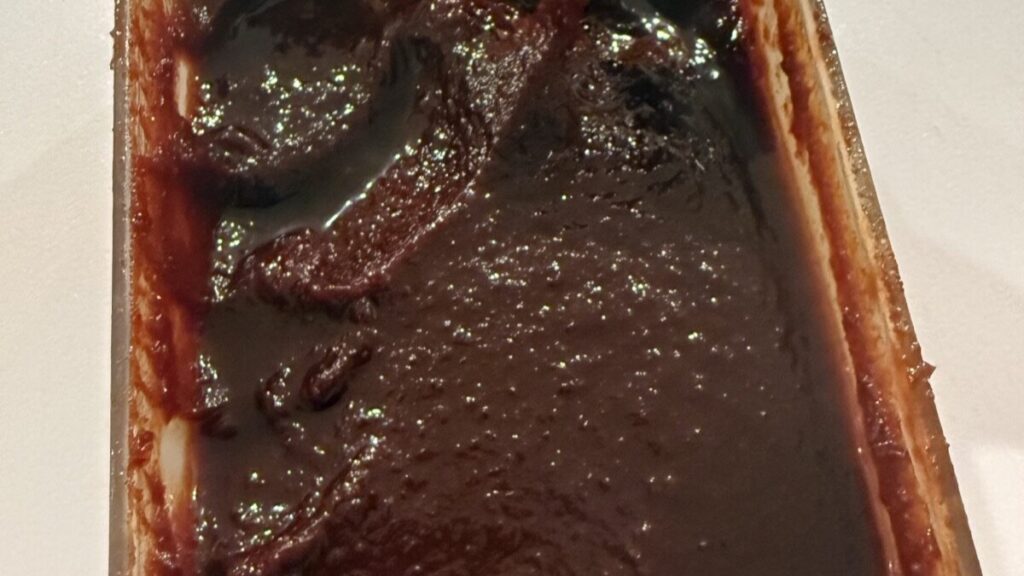
If you have already read our pieces on ganjang and doenjang, you have met two of the three pastes a Korean kitchen is built on. Gochujang is the third, and it is the odd one out. Soy sauce and soybean paste are savoury from the first taste. Gochujang arrives sweet.
People usually assume sugar. Sometimes there is sugar. But the sweetness was there long before anyone added any, and it comes from somewhere more interesting.
The grain is the point
Gochujang starts with a starch — traditionally glutinous rice, sometimes barley or wheat. That starch is mixed with meju powder, the same fermented soybean block that gives doenjang its backbone, and with malted barley.
The malt is doing the work. Its enzymes break the rice starch down into simpler sugars, the same process that turns grain into sweetness in a brewery. By the time the chili powder and salt go in, the base is already sweet on its own terms. That is why good gochujang tastes round rather than sharp, and why it thickens the way it does — you are tasting converted starch, not a spoonful of sugar stirred in at the end.
This is the single fact that explains most of gochujang’s behaviour in cooking. It caramelises. It clings. It burns faster than you expect over high heat.
Four ingredients, in order of what they do
- Glutinous rice — the body and the sweetness, once the malt gets at it.
- Meju powder — fermented soybean. The savoury depth underneath, and the reason gochujang keeps developing in the tub.
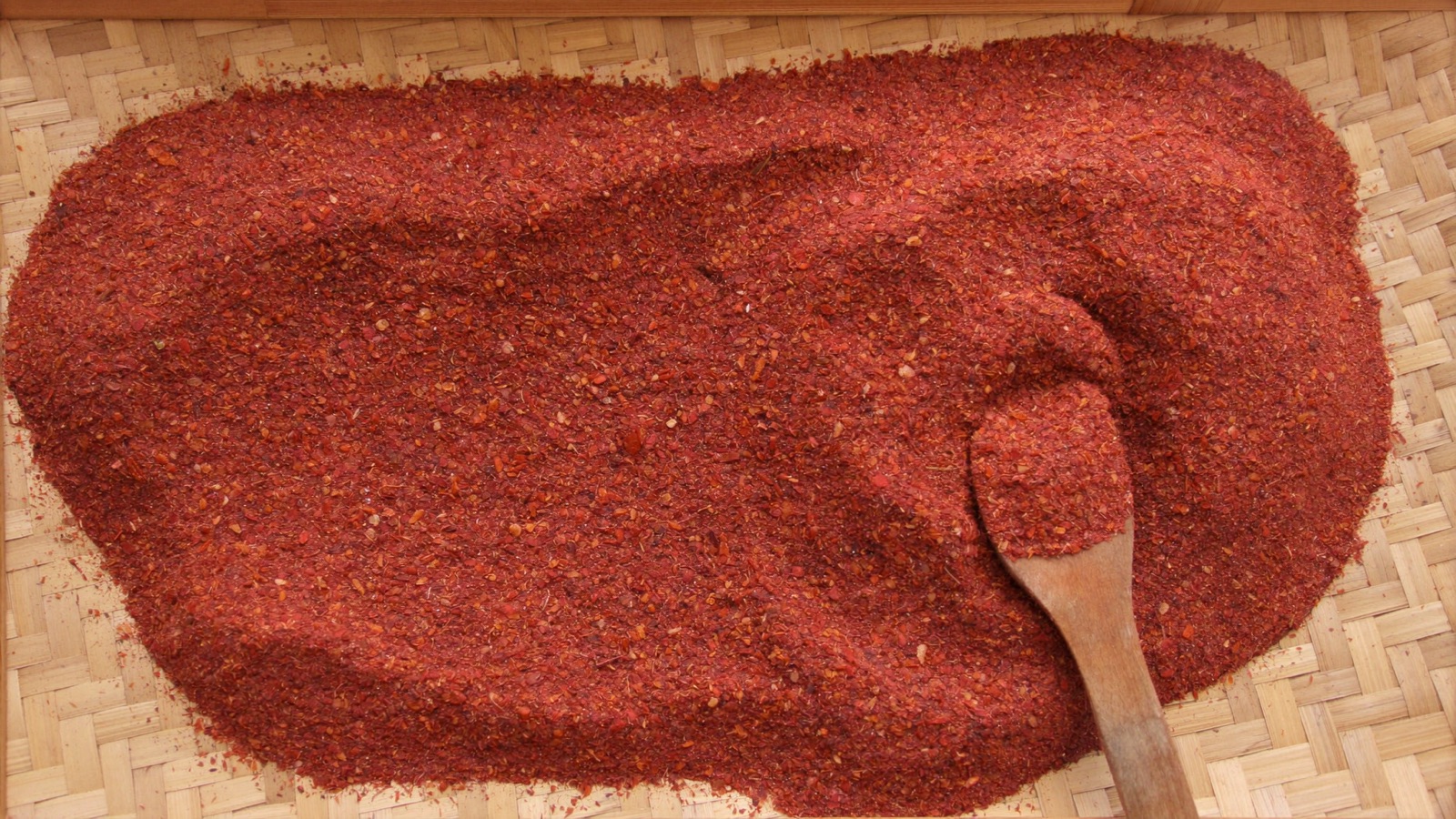
- Gochugaru — Korean chili powder, sun-dried. Its job here is colour and fruit as much as heat.
- Salt — preservation, and the brake on how far fermentation goes.
Why it is not sriracha, and not doubanjiang
Most chili pastes are chili plus salt plus an acid, fermented or not. Sriracha is a chili sauce with garlic and vinegar; the sourness is the structure. Chinese doubanjiang ferments broad beans with chili and stays firmly savoury and salty.
Gochujang is the one built on a fermented grain base. That is not a detail of flavour, it is a difference in category — and it is why gochujang works as a glaze and a braising base where a vinegar-forward chili sauce would just taste sour when reduced.
Reading the tub
Korean labels usually carry a heat rating rather than leaving you to guess, printed as a scale from mild to very hot. A mild tub is genuinely mild — closer to a sweet pepper paste — and the hottest is a different ingredient altogether. If you are cooking from a recipe written in Korea, it was probably written for something in the middle.
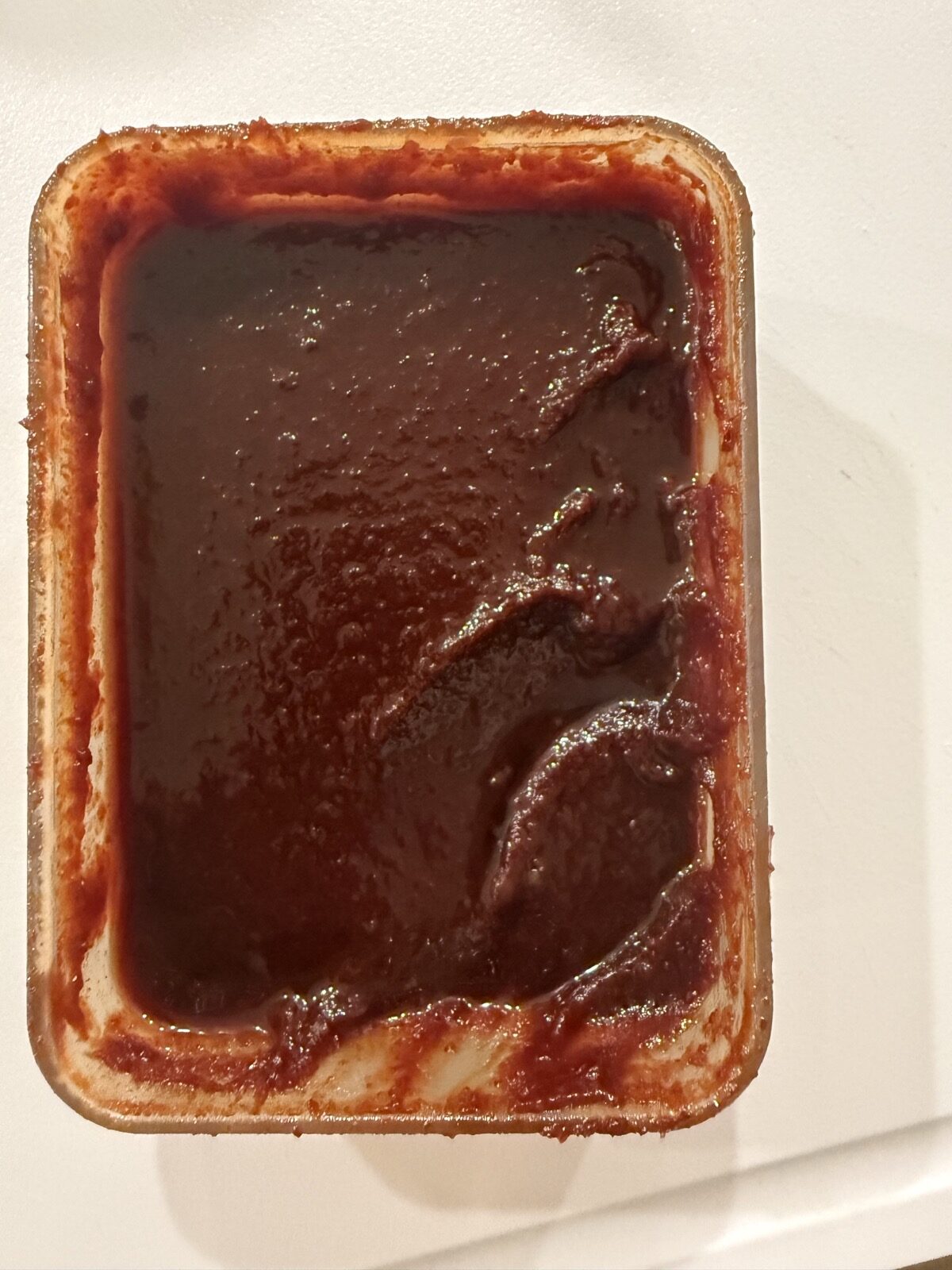
Two other things worth checking. Look for rice or glutinous rice near the top of the ingredient list rather than wheat flour and corn syrup, which is where cheaper tubs cut. And once opened, gochujang belongs in the refrigerator, where it will darken slowly over months without going bad.
Next
Part 2 looks at what gochujang actually does in a pan — where it belongs in the cooking order, why it scorches, and the three dishes that show it off best.