K-Food Guide
What Korean ingredients are, how they work, and what to do with them.
-
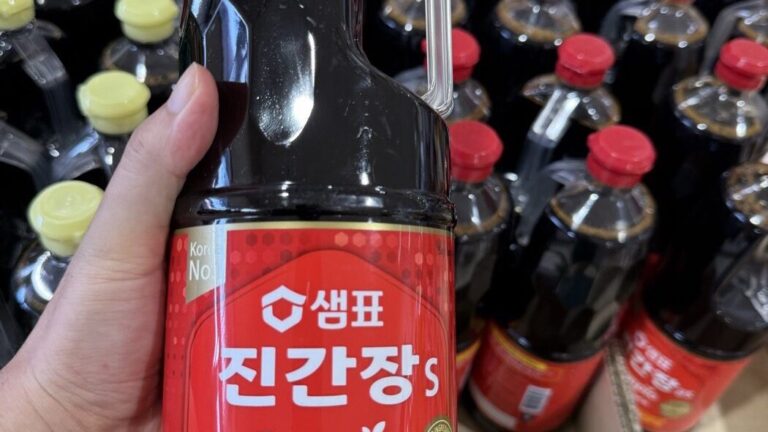
Which Korean Soy Sauce to Buy, and How the Label Tells You
Four bottles from one aisle. The best has five ingredients; the worst has twelve and lists fructose second. Here is what to buy, what…
-
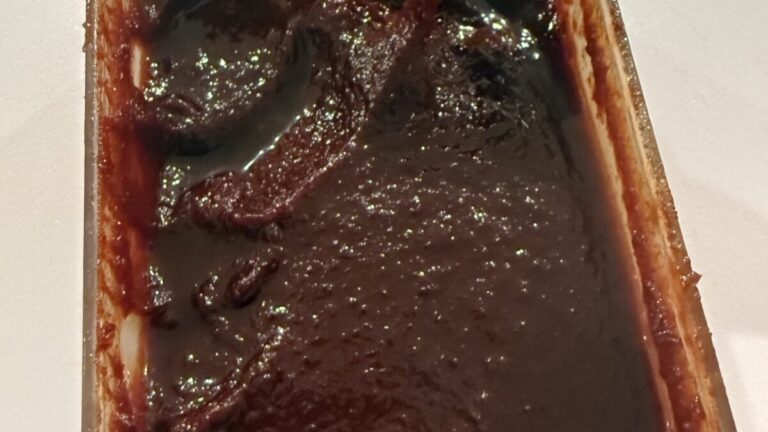
Gochujang Part 1: Why Korean Chili Paste Tastes Sweet
Gochujang is the only major chili paste built on fermented grain, and that grain is why it tastes sweet before it tastes hot. Here…
-
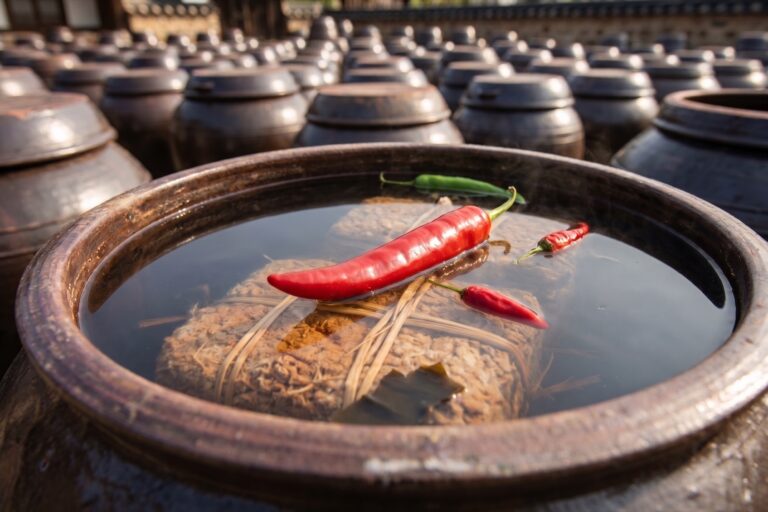
Doenjang vs Miso: What Korean Soybean Paste Is
Doenjang and miso are not the same paste, and one will not stand in for the other. What doenjang is, why it tastes rougher,…
-
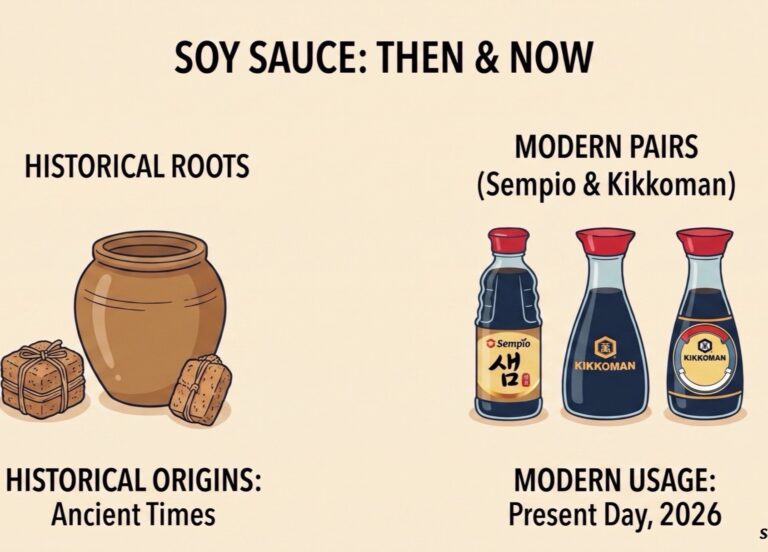
Korean Soy Sauce Part 1: Where It Came From
Korea, Japan and China make soy sauce from one ancestor — and stopped making the same thing centuries ago. The origin, the split, and…
-
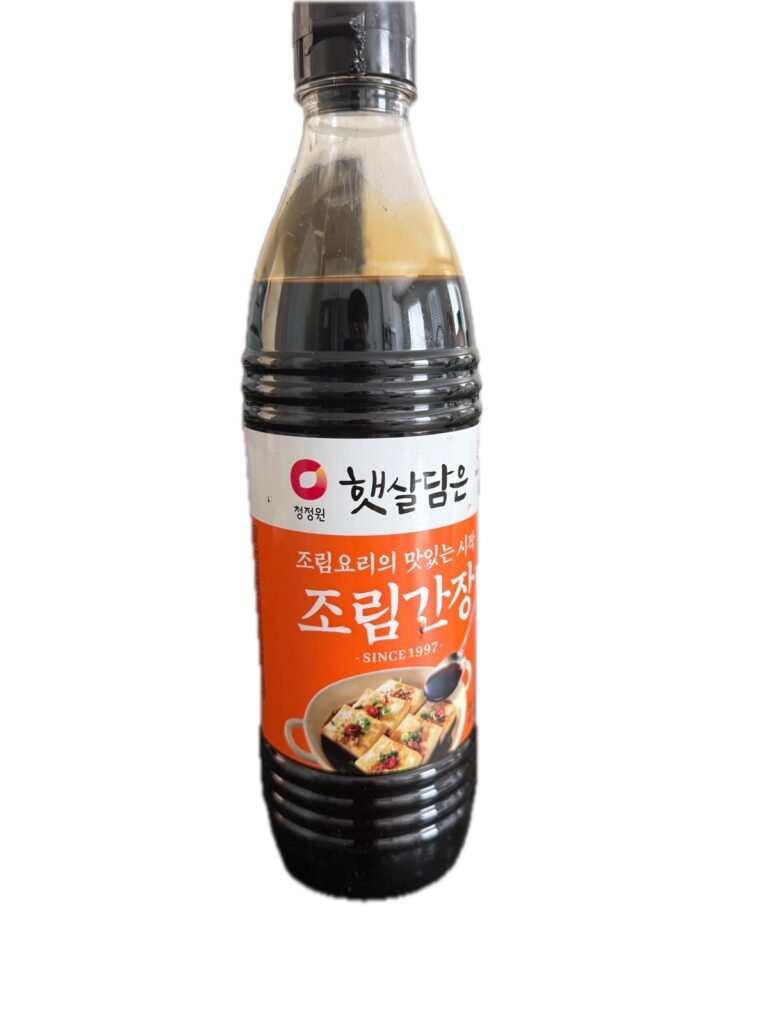
Korean Soy Sauce Part 2: Guk, Jin, and Brewed
Korean soy sauce splits two ways at once: what it is for, and how it was made. Guk-ganjang vs jin-ganjang, brewed vs blended, and…
-
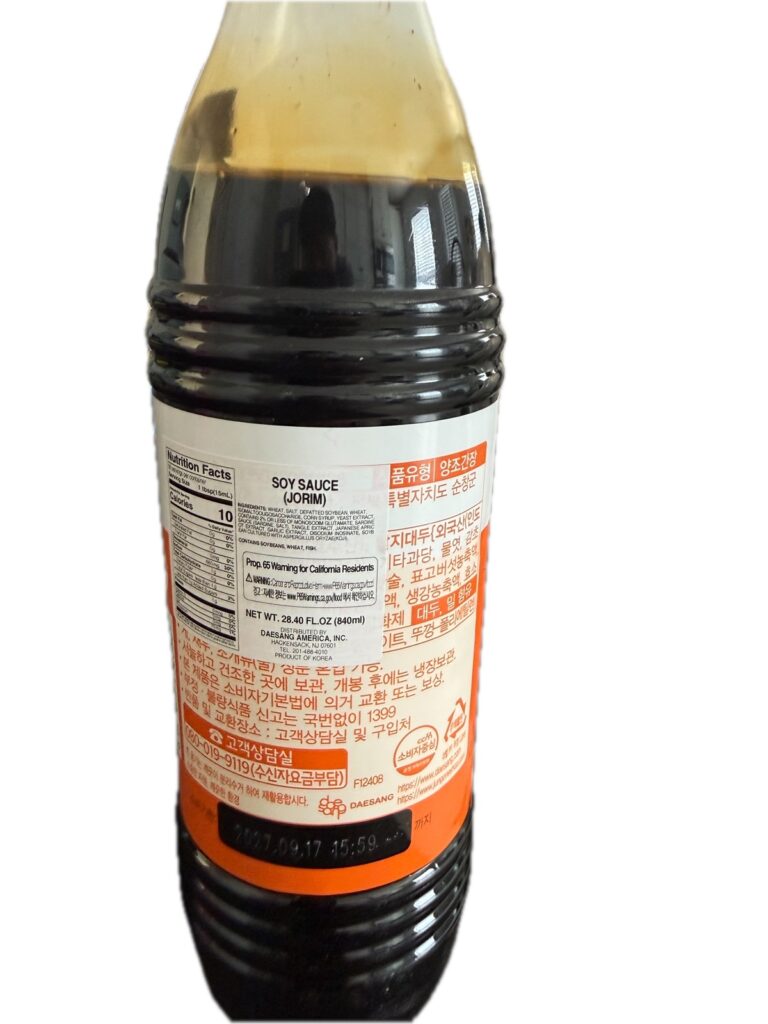
Korean Soy Sauce Part 3: Reading the Label
The useful words on a soy sauce bottle are in the smallest print. What to look for on Korean and English labels, and which…
-
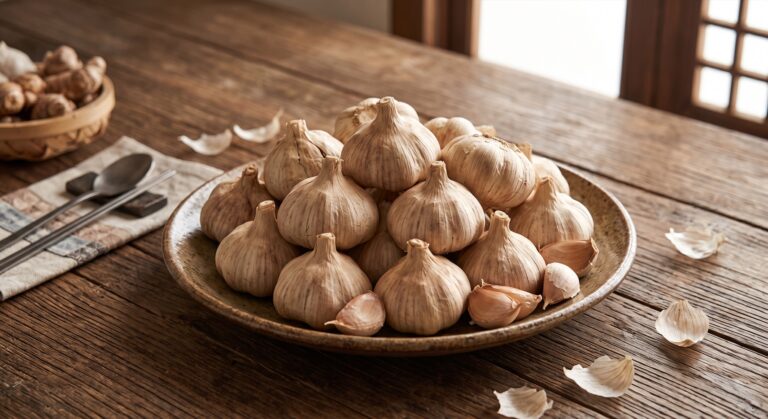
Benefits of Garlic: How Korea Actually Uses It
Korea eats more garlic per person than almost anywhere. What garlic does, where it shows up in Korean cooking, and how to handle it…
-
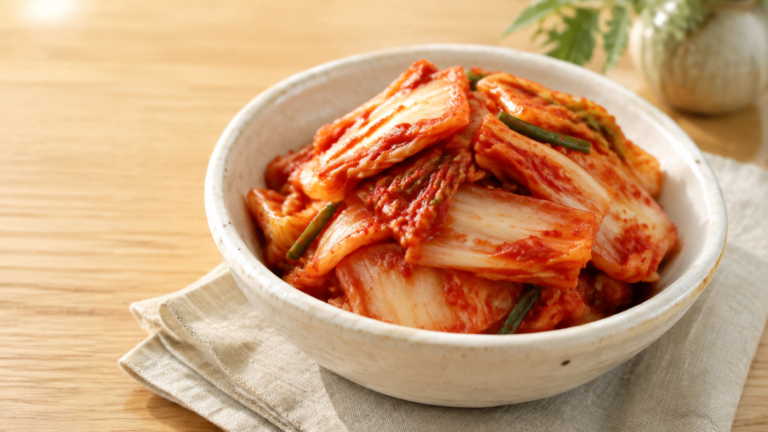
Benefits of Kimchi: What It Actually Does
Kimchi is more than a spicy side dish. What it is made of, seven potential benefits, whether it is really probiotic, and how much…